
What destroys teeth the most is acid, not sugar itself. Acid arrives two ways: produced by bacteria feeding on carbohydrates, and taken in directly through soda, sports drinks, citrus, or stomach reflux. Both pull minerals out of enamel, and enamel does not grow back once the surface breaks. Grinding, trauma, and gum disease cause serious damage too, but acid is the common thread behind most of the tooth wear seen in Plano.
Ask ten people what wrecks teeth, and most will say sugar. Sugar is part of it, but it is not the thing doing the actual damage.
The destructive agent is acid, and sugar is simply what feeds the bacteria that make it. Understanding that one step changes which habits are worth changing.
At Vitality Dental, we treat a lot of damage in Plano that has been building quietly for years before anyone noticed it. Contact us today to get a straight answer about anything that has changed in how your teeth look or feel.
Acid Is What Destroys Teeth the Most
Enamel is the hardest substance in the human body, and it is still no match for repeated acid exposure. The damage is chemical rather than mechanical.
How Enamel Actually Breaks Down
Enamel is built from mineral crystals, mostly calcium and phosphate. When the mouth turns acidic, those minerals start leaching out of the surface in a process called demineralization.
Saliva pushes minerals back in once the acid clears, and fluoride helps that repair happen faster. The trouble starts when acid arrives more often than the mouth can recover from.
Acid From Bacteria
Oral bacteria live in plaque and feed on carbohydrates, not only obvious sugar. Bread, crackers, chips, and pasta all break down into the same fuel.
Within minutes of eating, those bacteria produce acid against the tooth surface. This is the mechanism behind ordinary tooth decay, and it is the most common dental disease in the world.
Acid From What You Drink
Some drinks skip the bacteria entirely and attack enamel directly. Soda, energy drinks, sports drinks, citrus juice, and wine are all acidic enough to dissolve enamel on contact, and even plain sparkling water sits mildly on the acidic side.
This is called erosion rather than decay, and it looks different. Instead of a dark spot in one place, the whole surface thins evenly, often on the front teeth first.
Enamel Does Not Grow Back
Bone heals. Skin heals. Enamel does neither, because the cells that built it are gone once the tooth has erupted.
Early softening can be remineralized before it becomes a hole. Once the surface actually breaks, the only route back is restorative dentistry, and the tooth is repaired rather than healed.
The Everyday Habits That Do the Most Damage
The habits that cause the most harm are rarely dramatic. They are ordinary things repeated across years.
What makes them destructive is frequency rather than severity. A single acidic drink is nothing, while the same drink taken in small sips across an afternoon keeps the mouth acidic for hours.
| Habit | What It Does to the Tooth | What Helps |
|---|---|---|
| Sipping soda, sweet coffee, or sports drinks across the day | Keeps the mouth acidic almost continuously, so enamel never gets a recovery window | Drink it in one sitting rather than over hours, and rinse with water after |
| Frequent snacking between meals | Restarts the acid cycle every time, even with foods that are not sweet | Group food into defined meals so saliva has time to work in between |
| Brushing straight after something acidic | Scrubs enamel while it is temporarily softened, removing more than plaque | Rinse with water first and wait about an hour before brushing, which is what the American Dental Association advises |
| Untreated acid reflux or frequent heartburn | Brings stomach acid into the mouth, often overnight, and wears the inner surfaces of the upper teeth | See a physician about the reflux itself, and tell your dentist it is happening |
None of these habits will damage a tooth in a week. Repeated daily for a decade, they are responsible for a very large share of the wear we see.
Damage That Comes From Force, Not Acid
Not every destroyed tooth was dissolved. Some were broken.
Grinding and Clenching
Grinding, known clinically as bruxism, applies far more force than normal chewing and often happens during sleep. Over time it flattens the biting surfaces and can crack teeth outright. If you are considering veneers, grinding is one of the checks covered in what disqualifies you for veneers in Plano.
Many people have no idea they do it. Morning jaw tightness, headaches, and unexplained sensitivity are the usual first clues.
Using Teeth as Tools
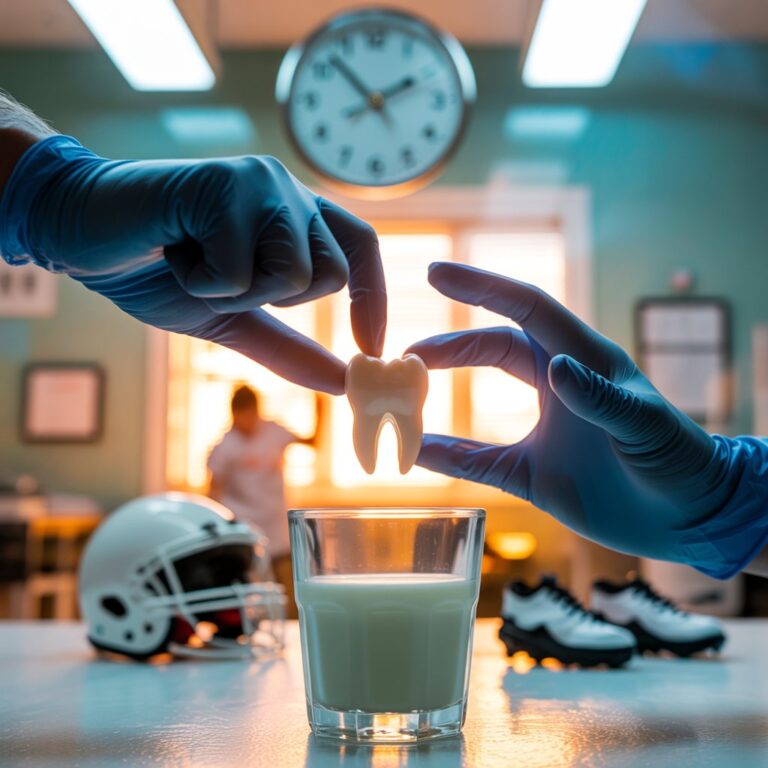 Opening packaging, tearing tape, holding pins, or cracking ice all load a tooth in a direction it was never built for. Enamel handles compression well and handles sideways force badly.
A single incident can be enough. Cracks started this way frequently show up years later as a tooth that hurts when you release a bite, and a piece that breaks away calls for emergency dental care rather than a wait-and-see approach.
Untreated Bite Problems
When teeth do not meet evenly, a small number of them absorb a disproportionate share of every chew. Those teeth wear faster than the rest of the mouth.
The wear pattern is usually obvious to a dentist long before it is obvious to the patient. Addressing the bite is what stops the cycle, not repeatedly repairing the same tooth.
Warning Signs the Damage Has Already Started
Most tooth destruction is silent for a long stretch. These are the signals worth acting on.
Sensitivity to Cold, Sweet, or Air
Sharp discomfort from cold drinks or from breathing in cold air often means the protective layer has thinned. It is one of the earliest signs of erosion.
Sensitivity that arrives and then fades is common. Sensitivity that keeps getting worse is a reason to book an exam.
Edges That Look Thin or See-Through
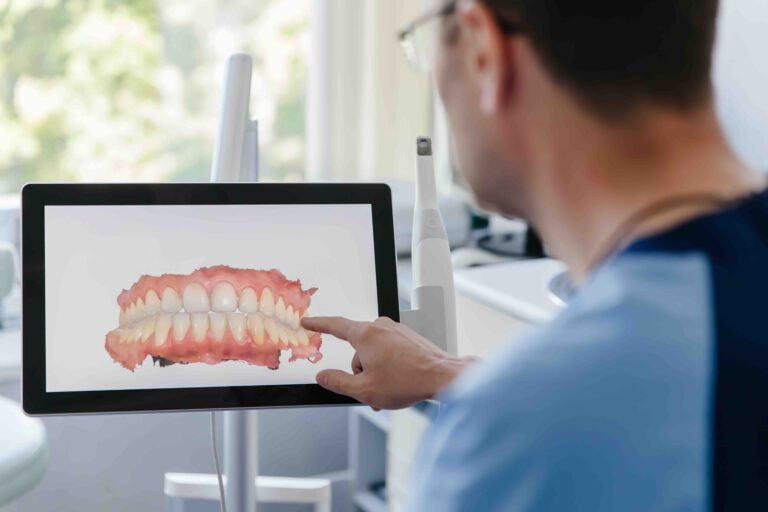 Front teeth that have started to look translucent at the biting edge are showing enamel loss. The gray you are seeing is the underlying layer through a thinning surface.
This change is gradual enough that people notice it in photographs before they notice it in the mirror. Once you can see it, the process has been running a while.
Dark Spots, Rough Patches, or Catching Floss
A dark line or a spot that catches your fingernail suggests the surface is no longer intact. Floss that shreds or catches in the same place every time points to the same thing.
These are early cavity signs. Caught this early, a cavity is usually simple to treat.
Bleeding or Receding Gums
Gums that bleed during brushing are inflamed, and inflammation left alone can progress to damage of the bone holding teeth in place. Teeth are lost this way even when they have no decay at all.
Recession also exposes root surface, which has no enamel on it and softens at a much gentler level of acid. Regular preventive dentistry visits are where this gets caught before it costs a tooth.
What This Means for Your Teeth in Plano
Nothing on this list destroys a tooth overnight, and that is exactly what makes it dangerous. Damage accumulates in small daily increments and only announces itself when the repair has become a large one.
At Vitality Dental, we would rather find a soft spot than a broken tooth, and we do not lecture anyone about how long it has been. Call us today to book an exam and find out where your enamel actually stands.
Medical Disclaimer: This content is for general informational purposes only and does not substitute for an in-person evaluation by a licensed dentist. Individual results vary based on the patient’s oral health, anatomy, and treatment plan.
Frequently Asked Questions
What destroys teeth the most?
Acid causes more tooth destruction than anything else. It comes from bacteria feeding on carbohydrates and from acidic food, drink, and stomach reflux. Both routes strip minerals out of enamel, and because enamel cannot regenerate, that loss is irreversible once the surface breaks.
What is the number one cause of tooth decay?
Decay is caused by acid produced by plaque bacteria as they break down carbohydrates. Sugar is the most efficient fuel for that process, but bread, chips, and pasta feed it too. How often you eat matters as much as what you eat.
Can enamel grow back once it is gone?
No. The cells that produce enamel are lost once a tooth has fully erupted, so enamel cannot regenerate the way bone or skin does. Enamel that has softened but not yet broken can be remineralized, which is different from regrowing.
Is soda worse for teeth than candy?
Both are damaging, and how you consume them decides which is worse. Soda sipped over an hour keeps the mouth acidic far longer than candy eaten in one sitting. Diet soda is still acidic, so removing the sugar does not remove the erosion risk.
Does grinding your teeth at night damage them?
Yes. Night grinding applies substantially more force than normal chewing, and over time it can flatten biting surfaces, crack enamel, and fracture existing dental work such as crowns and fillings. Many people are unaware they grind at all, and morning jaw soreness or headaches are often the first sign.
Can acid reflux damage your teeth?
Yes. Reflux brings stomach acid into the mouth, frequently during sleep, and it typically wears the inner surfaces of the upper teeth, the front ones first. Treating the reflux itself is a medical matter, so see a physician about it and let your dentist know it is happening.
How fast can a tooth get damaged?
Erosion and decay usually take months to years to become visible, though a cracked or knocked-out tooth happens instantly. Speed depends on how often acid hits the tooth, saliva flow, and whether fluoride is present. Frequent exposure matters more than a single heavy one.
What is the fastest way to stop tooth damage from getting worse?
Reduce how often acid reaches the teeth rather than only reducing the amount. Group snacks and sweet drinks into set times, rinse with water afterward, brush twice daily with fluoride toothpaste, and get an exam so anything already started can be caught early.

 What Kind of Dentist Does Restorative Dentistry in Plano?