
Key Takeaways
- Japanese dentistry emphasizes frequent short visits (3-month recalls, 15–30 min appointments) under universal insurance, while US care typically involves longer appointments every 6 months with private insurance or out-of-pocket payment.
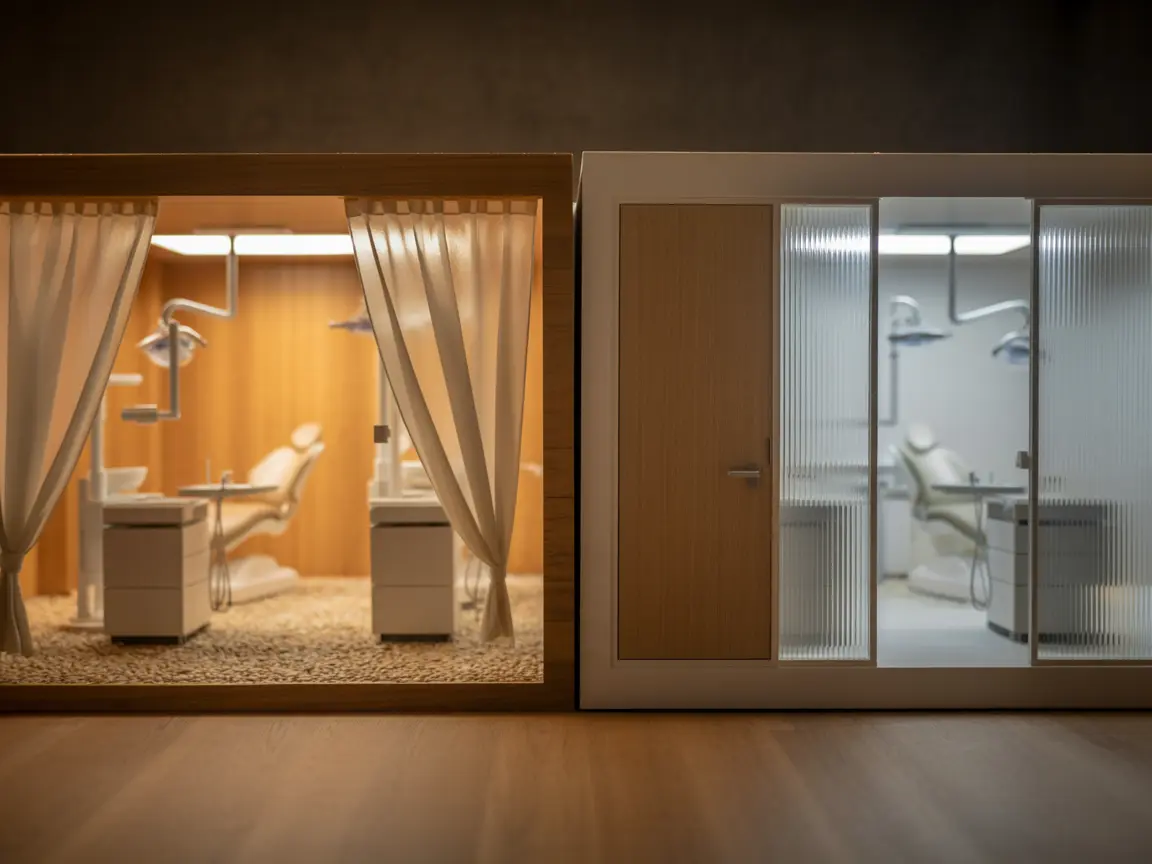
- Clinical environments differ significantly: Japanese clinics often use open-bay layouts with curtains, face towels, and conservative anesthesia, whereas US offices provide private operatories, standardized local anesthesia, and sedation options.
- Treatment philosophy varies—Japanese dentists traditionally prioritize tooth preservation and multi-visit protocols, while American dentistry leans toward comprehensive intervention, aesthetic materials, and efficiency.
- At Vitality Dental in Plano, we bridge these cultural differences with bilingual support (English/Japanese), state-of-the-art technology, and gentle, meticulous care tailored to help Japanese newcomers feel understood and confident during their appointments.
What Makes Japanese and American Dentistry Different?
If you’ve recently relocated from Japan to Plano or North Texas, you may feel uncertain about what to expect during your first dental visit in the US. The differences between Japanese and American dentistry go far beyond language—they reflect distinct healthcare systems, cultural values, and clinical philosophies that shape everything from appointment length to treatment materials.
Japanese dentistry operates under a universal National Health Insurance (NHI) system that standardizes costs, encourages frequent short visits (often 15–30 minutes), and prioritizes conservative, preservation-focused treatment. American dentistry, by contrast, typically relies on private insurance or out-of-pocket payment, with longer appointment blocks (60+ minutes), a stronger emphasis on aesthetic outcomes, and more aggressive intervention when problems arise.
At Vitality Dental in Plano, we recognize that these differences can feel overwhelming—especially if you’re navigating dental care in a new country for the first time. Our team includes Japanese-speaking staff and dentists experienced with cross-cultural care, and we’ve designed our practice to combine the meticulous, gentle approach valued in Japan with the advanced technology and comprehensive treatment options available in Texas. Whether you’re seeking routine preventive care or addressing a complex concern, our goal is to help you feel empowered, informed, and comfortable every step of the way.
How Clinical Environments Differ Between Japan and the US
One of the first things Japanese patients notice in an American dental office is the physical environment itself. These differences aren’t just cosmetic—they reflect deeper cultural norms around privacy, hygiene, and patient comfort.
Privacy and Operatory Layout
In Japan, many dental clinics use open-bay layouts where multiple chairs are separated only by curtains or low partitions. This setup allows dentists to move efficiently between patients during high-volume days and keeps costs down under the NHI system. While some newer or boutique clinics in Tokyo’s Ginza or Roppongi districts offer private rooms, the curtained bay remains common, especially outside major metropolitan areas.
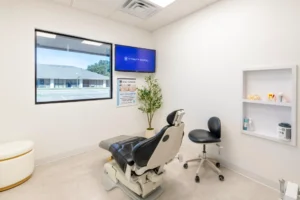
In the US, private operatories are the standard. Each treatment room is a fully enclosed space with a door, designed to give patients privacy during exams, procedures, and conversations about treatment plans. At our Plano office, every patient enjoys a private, modern operatory equipped with the latest technology—from digital X-rays to intraoral cameras—so you can discuss your care openly without concern for others overhearing.
Hygiene Rituals and Patient Preparation
Japanese clinics often ask patients to remove their shoes at the entrance and wear provided slippers, a practice rooted in cultural norms around cleanliness and respect. Many also place a small towel over the patient’s face during treatment, both to shield eyes from the overhead light and to provide a sense of comfort and modesty.
American offices typically allow patients to wear street shoes throughout the visit and use safety glasses instead of face towels to protect eyes from debris or bright lights. While the towel custom may feel familiar and reassuring to Japanese patients, the safety glasses serve a similar protective function and are standard across US dental practices.
At Vitality Dental, we honor both traditions. If the face towel ritual helps you feel more at ease, we’re happy to accommodate—and we always provide safety glasses and explain each step of your visit to ensure you feel respected and informed.
Appointment Length and Patient Volume
Because Japan’s NHI system reimburses at standardized low rates, many Japanese dentists see a high volume of patients each day, with appointments often lasting just 15–30 minutes. Complex treatments like root canals or crown placements are frequently split across multiple short visits to fit this model.
In the US, longer appointment blocks (60–90 minutes) are typical, allowing dentists to complete more work in a single session. This approach reduces the total number of visits required and reflects the higher per-procedure fees common in American private-pay or insurance-based care.
Our Plano team schedules appointments with your comfort and thoroughness in mind. We take the time to answer questions, explain options, and ensure you never feel rushed—a hallmark of our boutique, high-touch philosophy.
Why Checkup Schedules and Preventive Care Vary
Preventive care is a cornerstone of both Japanese and American dentistry, but the recommended frequency and structure differ in meaningful ways.
Recall Intervals: 3 Months vs. 6 Months
In Japan, the standard recall interval for routine checkups and cleanings is every 3 months. This frequent schedule aligns with the NHI’s emphasis on early detection and the cultural value placed on meticulous oral hygiene. Many Japanese workplaces and schools even provide time and facilities for employees and students to brush their teeth after lunch, reinforcing daily preventive habits.
In the US, the standard recall is every 6 months (ADA). This interval is based on decades of clinical research and is the norm recommended by the American Dental Association for patients with healthy gums and low cavity risk. Patients with gum disease, high decay rates, or other risk factors may be advised to come in every 3–4 months, but the default is biannual.
If you’re accustomed to quarterly visits, the 6-month schedule may feel unfamiliar at first. Rest assured that this interval is evidence-based and appropriate for most patients. At Vitality Dental, we tailor your recall schedule to your individual needs, taking into account your history, risk factors, and preferences.
Hygiene Appointments and Cleaning Depth
Japanese dental hygiene appointments often emphasize gum massage, gentle scaling, and patient education about home care techniques like proper brushing angles and interdental cleaning. The approach is typically conservative, with deep scaling or surgical periodontal intervention reserved for advanced cases.
American hygienists routinely perform more thorough scaling and root planing when gum disease is detected, and dentists are more likely to recommend surgical options—such as flap surgery or grafting—earlier in the disease process. This reflects a treatment philosophy that prioritizes aggressive intervention to halt progression and restore function.
Our hygienists at Vitality Dental combine the best of both worlds: meticulous, gentle technique with advanced tools like soft-tissue lasers and ultrasonic scalers that reduce discomfort and improve outcomes.
Understanding Anesthesia and Pain Management Differences
Pain management practices vary significantly between Japan and the US, and this is one area where Japanese patients often express the most concern when transitioning to American care.
Conservative Anesthesia Use in Japan
Japanese dentists traditionally use anesthesia more conservatively than their American counterparts. Topical anesthetic gel is common, but full local anesthetic injections (nerve blocks) may be reserved for extractions or more invasive procedures. Some patients report experiencing discomfort during fillings or cleanings that would typically be numbed in the US.
This conservative approach stems partly from cultural attitudes toward enduring discomfort and partly from the NHI’s cost-control structure, which incentivizes shorter, simpler procedures.
Standardized Local Anesthesia and Sedation in the US
In the US, local anesthesia via injection is standard for nearly all restorative work—fillings, crowns, root canals, and extractions. Dentists use techniques like the inferior alveolar nerve block to ensure patients feel no pain during treatment. Additionally, sedation options—including nitrous oxide (laughing gas), oral conscious sedation, and IV sedation—are widely available for patients with dental anxiety or undergoing lengthy procedures.
At Vitality Dental, we cater to those with dental phobias and offer multiple levels of sedation to help you feel comfortable and relaxed. Dr. Kung and our team understand that visiting the dentist in a new country can be daunting, especially if past experiences involved discomfort. We use clear communication, gentle techniques, and advanced anesthesia protocols to ensure every patient feels at ease—whether you’re here for a routine cleaning or a complex implant placement.
Why This Matters for Japanese Patients
If you’re accustomed to minimal anesthesia, the American approach may initially seem excessive. In reality, it reflects a patient-centered standard of care designed to eliminate pain and anxiety. You should never feel pressured to “tough it out”—our goal is to make your experience as comfortable as modern dentistry allows.
Treatment Philosophy: Preservation vs. Intervention
Beyond the clinical environment and pain management, Japanese and American dentistry diverge in their fundamental treatment philosophies.
The Japanese “Preservation” Approach
Japanese dentistry has historically emphasized preserving natural tooth structure and avoiding aggressive intervention. Dentists may monitor a small cavity over multiple visits rather than filling it immediately, and root canal treatments are often spread across several appointments to allow for thorough disinfection between sessions. The goal is to keep teeth—and especially tooth roots and nerves—intact as long as possible.
Material choices also reflect this philosophy. Under the NHI system, palladium-silver alloys (kin-gin-palladium) are the standard for crowns and fillings, as they are durable and cost-effective. While these metal restorations are visible, they are widely accepted in Japan, where aesthetic concerns around “the Hollywood smile” are less pronounced.
The American “Aesthetic and Functional” Approach
American dentistry tends toward earlier, more comprehensive intervention. Small cavities are typically filled promptly to prevent progression, and root canals are often completed in a single appointment using rotary instruments and advanced disinfection protocols. When teeth cannot be saved, extraction and replacement with implants or bridges is common.
Aesthetic materials dominate US restorative work. Zirconia, lithium disilicate (e.g., IPS e.max), and tooth-colored composites are preferred for crowns, veneers, and fillings, especially in visible areas. Patients expect restorations to blend seamlessly with natural teeth, and metal crowns are rarely used in the front of the mouth.
At Vitality Dental, we leverage state-of-the-art materials and technology—including our 3D intraoral scanner and cone beam imaging—to deliver restorations that are both beautiful and long-lasting. Whether you value the meticulous preservation approach you’re familiar with or are curious about the aesthetic possibilities available in the US, we’ll work with you to create a treatment plan that aligns with your goals and comfort level.
Insurance, Costs, and What to Expect Financially in Texas
The financial side of dental care is one of the most jarring differences for Japanese newcomers.
Japan’s Universal NHI System
In Japan, the National Health Insurance covers approximately 70% of dental costs, with patients paying the remaining 30% out of pocket. Fees are standardized nationwide using a “points system,” so a filling or cleaning costs roughly the same whether you’re in Tokyo or a rural prefecture. This predictability makes budgeting straightforward, and total out-of-pocket costs for routine care remain low.
The US Private Insurance and Out-of-Pocket Model
The US lacks universal dental coverage. Most Americans either purchase private dental insurance (PPO or HMO plans) through employers or pay entirely out of pocket. Insurance plans vary widely in coverage, annual maximums (often $1,000–$2,000), and whether they cover specific procedures. Many plans cover preventive care (cleanings, exams) at 100%, basic procedures (fillings) at 70–80%, and major work (crowns, implants) at 50% or less.
For patients without insurance, costs can feel high compared to Japan. A routine cleaning and exam may range from $150–$300, a filling from $200–$500, and a crown from $1,000–$2,000 or more, depending on materials and complexity.
Transparent Pricing and Flexible Options at Vitality Dental
We know cost uncertainty can be stressful, especially when navigating a new system. At Vitality Dental, pricing is transparent—we provide detailed treatment estimates before any work begins and offer complimentary insurance benefits advice to help you maximize your coverage.
No Insurance? No Problem. We offer an in-house dental plan with:
- No deductibles
- No yearly maximums
- No waiting periods—immediate eligibility
This plan is designed to make comprehensive, high-quality care affordable for families and individuals who don’t have traditional insurance. Our team will walk you through all your options so you can make confident, informed decisions about your oral health.
Communication and Cultural Comfort: What Stays the Same
Despite the differences, many core principles of excellent dental care are universal.
Hygiene and Sterilization Standards
Both Japanese and American dental practices adhere to rigorous infection control protocols. Instruments are sterilized using autoclaves, disposable barriers are used on surfaces, and gloves and masks are standard. You can trust that our Plano office meets—and often exceeds—the same sanitary standards you experienced in Japan.
Commitment to Gentle, Meticulous Care
The values of precision, thoroughness, and respect for the patient are shared across cultures. At Vitality Dental, meticulous and gentle aren’t just words—they’re the foundation of how Dr. Kung and our team approach every procedure. We understand that trust is built through clear communication, empathy, and technical excellence, regardless of where you were born or what language you speak.
Advanced Technology for Better Outcomes
Modern dental technology—digital X-rays, intraoral cameras, 3D imaging, soft-tissue lasers—is increasingly common in both countries. These tools improve diagnostic accuracy, reduce discomfort, and allow for more conservative, precise treatment. Our state-of-the-art Plano office is equipped with the latest innovations, ensuring you receive world-class care that honors both the Japanese emphasis on precision and the American focus on efficiency and comfort.
How Our Plano Office Supports Japanese Patients
At Vitality Dental, we’ve intentionally designed our practice to serve Plano’s diverse, multilingual community—including Japanese expats, families, and long-term visitors.
Bilingual Care in Japanese and English
We speak your language. Our team includes Japanese-speaking staff and dentists who understand not only the words but the cultural context behind your concerns. Whether you’re more comfortable discussing treatment in Japanese or prefer English, we’ll ensure you fully understand your options and feel empowered to make decisions about your care.
A Boutique, High-Touch Experience
We’re a boutique, high-touch dental practice—not a high-volume clinic. That means longer appointment times, personalized attention, and a calm, modern environment where you can smile and laugh. We cater to patients with dental anxiety and offer sedation options to help you feel relaxed, whether you’re here for a cleaning or a full-mouth restoration.
Comprehensive Care Under One Roof
From Preventive Dentistry and Children’s Dentistry to Dental Implants, Invisalign, Root Canal Therapy, and Sedation Dentistry, we provide the full spectrum of services your family needs. You won’t be shuffled between specialists—our doctors (Dr. Kung, Dr. Silvestrere, and Dr. Son) collaborate to deliver coordinated, comprehensive care tailored to your long-term health.
Advanced Technology for Precision and Comfort
Our office features:
- 3D cone beam imaging for extremely accurate implant placements
- Intraoral cameras so you can see exactly what we see
- Soft-tissue lasers for quicker procedures with less bleeding and pain
- Digital X-rays with significantly lower radiation exposure
- 3D intraoral scanners for precise impressions without messy putty
These tools allow us to diagnose earlier, treat more conservatively, and deliver results that last—all while keeping you comfortable.
Local Roots, Global Care
Dr. Kung is a Plano native and a graduate of Plano Senior High. He’s deeply connected to this community and passionate about serving patients from all backgrounds. Our practice draws patients from across the country who seek the intersection of science, technology, and artistry in their dental care—and we’re proud to extend that same world-class experience to our neighbors in Plano and North Texas.
What To Do Next
Transitioning to dental care in a new country doesn’t have to be stressful. At Vitality Dental in Plano, we’re here to help you feel understood, comfortable, and confident—whether you’re scheduling your first checkup in Texas or addressing a complex concern.
Our Japanese-speaking team is ready to answer your questions, explain your options, and create a personalized treatment plan that honors your preferences and priorities. New patients and emergency appointments are always welcome.
Vitality Dental – Dentist Plano
1220 Coit Rd #106, Plano, TX 75075
(Right after Medical City Plano)
Call us today or visit our website to schedule a complimentary consultation in Japanese or English.
Frequently Asked Questions
Why do Japanese dentists put a towel over your face during treatment?
The face towel serves both practical and cultural purposes. It shields your eyes from the bright overhead light, provides a sense of privacy and modesty, and can help anxious patients feel more relaxed. In the US, safety glasses are used instead to protect eyes from debris and light, but the underlying goal—your comfort—remains the same.
Is dental work significantly cheaper in Japan compared to the US?
Generally, yes—routine care is less expensive in Japan due to the National Health Insurance system, which covers 70% of standardized fees. In the US, costs vary widely depending on whether you have insurance, the type of procedure, and the materials used. However, the US often completes treatment in fewer visits, which can offset some cost differences. At Vitality Dental, we offer transparent pricing and flexible payment options, including an in-house plan with no deductibles or maximums, to make care affordable.
Why are dental appointments in Japan usually split into many short visits?
Japan’s NHI reimburses at low, standardized rates, so dentists see high patient volumes with short appointment slots (15–30 minutes). Complex treatments like root canals are divided across multiple visits to fit this model. In the US, longer appointments (60–90 minutes) allow dentists to complete more work per session, reducing the total number of visits required.
Do Japanese dentists use the same level of anesthesia as American dentists?
Typically, no. Japanese dentists use local anesthesia more conservatively, often relying on topical gel or reserving injections for extractions and surgery. American dentists routinely use local anesthetic injections (nerve blocks) for fillings, crowns, and root canals to ensure patients feel no pain. Sedation options—nitrous oxide, oral sedation, and IV sedation—are also widely available in the US for anxious patients or lengthy procedures.
Can I use my American dental insurance at a Japanese clinic, or Japanese insurance in the US?
Generally, no. Japanese National Health Insurance does not cover care outside Japan, and most US dental insurance plans do not reimburse for treatment abroad. If you’re relocating to the US, you’ll need to secure American dental insurance or pay out of pocket. Our Plano team can help you understand your US insurance benefits and explore affordable alternatives if you don’t have coverage.
What are the main differences in materials used for crowns and fillings?
In Japan, palladium-silver alloys (kin-gin-palladium) are the NHI standard for crowns and larger fillings—they’re durable and cost-effective but visible. In the US, tooth-colored materials like zirconia, lithium disilicate, and composite resins dominate, especially for visible teeth, because patients prioritize natural aesthetics. At Vitality Dental, we offer a range of materials and will help you choose the option that best balances function, appearance, and budget.
Is the quality of care in the US as meticulous as in Japan?
Yes—though the systems and philosophies differ, both countries uphold high clinical standards. Japanese dentistry is known for precision and conservative treatment; American dentistry emphasizes comprehensive intervention, advanced technology, and aesthetic outcomes. At Vitality Dental, we combine the meticulous, gentle approach valued in Japan with state-of-the-art tools and techniques, ensuring you receive care that is both thorough and compassionate.

 Helping Japanese‑Speaking Kids Love the Dentist: Gentle Pediatric Care in Plano