
Key Takeaways
- Native-language communication helps Japanese-speaking children understand dental procedures, reducing fear and improving cooperation during treatment.
- Bilingual pediatric dentists bridge cultural differences in oral hygiene standards, explaining why American protocols (like higher fluoride frequency) may differ from practices in Japan.
- Comprehensive family support includes dual-language consent forms, insurance coordination for Japanese overseas travel policies, and culturally-sensitive explanations of preventive care.
- Seasonal planning tools—back-to-school checkups, sports mouthguard fittings, and pre-travel dental clearances—help expat families stay proactive about their children’s oral health.
Why Japanese-Speaking Pediatric Dentistry Matters for Your Child
When your child sits in the dental chair and the dentist asks, “Does this hurt?”, the ability to answer in their native language can transform a stressful experience into a calm, cooperative one. For Japanese-speaking families in Plano and North Texas—including expat households near corporate housing complexes, the Japanese Consulate, and local international schools—finding a pediatric dentist who truly understands both the language and the cultural context of oral health is not a luxury. It is a foundation for lifelong dental confidence.
At Vitality Dental – Dentist Plano, we recognize that pediatric dentistry is never just about teeth. It is about trust, clear communication, and honoring the meticulous care standards (kichomen) that Japanese families expect. Our multilingual team—fluent in English, Japanese, Chinese, and Spanish—creates a boutique, high-touch environment where children feel understood, and parents feel empowered to make informed decisions.
The Cultural Bridge: More Than Translation
A bilingual pediatric dentist does more than interpret words. They navigate the subtle differences between Japanese Dental Association (JDA) guidelines and American Academy of Pediatric Dentistry (AAPD) protocols, explaining why fluoride varnish may be applied more frequently in the U.S. or why dental sealants on molars are emphasized earlier here than in Japan. This cultural competence reassures parents that their child is receiving world-class care tailored to North American standards, while respecting the home care habits (shiage-migaki, or parental finish-brushing) they already practice.
For children struggling with haisha-girai (dental phobia), hearing a dentist explain the “Tell-Show-Do” method (Hanashite-Misete-Yaru) in their own language reduces cognitive load. They can focus on cooperating with the procedure instead of translating instructions in their head.
How Bilingual Care Reduces Dental Anxiety in Children
Dental anxiety in children often stems from the unknown. When a child cannot fully understand what is happening—or why a tool makes a strange noise—their imagination fills the gaps with fear. Japanese-speaking pediatric care addresses this by using familiar vocabulary and culturally resonant explanations.
Understanding Pain Descriptors Across Languages
Pain is not a universal language. A Japanese child might describe sensitivity as shimiru (a sharp, cold sting) rather than itai (a dull ache). A pediatric dentist trained in cross-cultural pain assessment can interpret these nuances and adjust their approach—whether that means pausing to let the child rinse, applying a desensitizing gel, or explaining that the sensation is temporary. This level of attentiveness signals to both child and parent that their comfort is as important as the clinical outcome.
The Role of Parental Presence and Communication
Many Japanese families expect to stay in the treatment room with their child, a practice that aligns with our philosophy at Vitality Dental. We encourage parental presence because it reinforces trust and allows real-time translation of instructions for home care. After a fluoride treatment, for example, we explain in Japanese why the child should avoid eating for 30 minutes—and provide written instructions so parents can reinforce good habits at home.
We also recognize that some parents may feel hesitant about asking questions in English, especially about complex topics like sedation options or early orthodontic intervention. By offering consultations in Japanese, we eliminate that barrier.
What to Expect at Your Child’s Visit
From the moment you book an appointment, our team ensures a seamless, anxiety-free experience.
Before the Appointment: Dual-Language Resources
When you call to schedule, our Japanese-speaking staff can answer questions about insurance (including coordination with Japanese overseas travel insurance policies), office hours, and what to bring. New patient forms are available in both English and Japanese to streamline check-in.
During the Visit: The “Tell-Show-Do” Approach
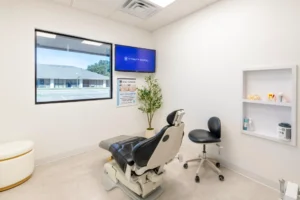
- Welcome and Introduction – We greet your child by name and show them the treatment room, explaining that it is a safe, clean space with state-of-the-art equipment designed for their comfort.
- Gentle Examination – Using an intraoral camera, we show your child real-time images of their teeth on a screen, turning the exam into an interactive experience. We explain what we see in simple Japanese terms (mushiba for cavities, haguki for gums).
- Preventive Treatments – If fluoride varnish or sealants are recommended, we explain the “why” and “how” in age-appropriate language. For example: “This special paint (tokubetsu na penki) makes your teeth super strong so sugar bugs can’t make holes.”
- Home Care Instructions – Before you leave, we review brushing and flossing techniques, demonstrate proper shiage-migaki for children under 8, and answer any questions about diet or oral habits.
Emergency Visits: Fast, Compassionate Care
Dental emergencies—knocked-out teeth from sports, sudden toothaches, or trauma from falls—require immediate attention. Our team prioritizes same-day emergency appointments and communicates clearly in Japanese to assess the situation, manage pain, and coordinate follow-up care. If a permanent tooth is knocked out, we provide step-by-step instructions for preserving the tooth in milk or saline until you reach our office.
Preventive Care That Aligns with Japanese and American Standards
One of the most common questions we hear from Japanese families is: “Why do American dentists recommend more frequent fluoride treatments?” The answer lies in understanding the differences between Japan’s water fluoridation history and the variable fluoride levels in North Texas municipal water.
Fluoride Varnish: Frequency and Safety
In Japan, many children receive fluoride applications at school or through public health programs, often twice per year. In the U.S., the AAPD recommends fluoride varnish every 3–6 months for children at moderate to high risk for cavities, especially in areas with low water fluoridation. At Vitality Dental, we tailor fluoride schedules to your child’s individual caries risk, using the CAMBRA (Caries Management by Risk Assessment) protocol.
We also explain the safety profile: when applied topically by a professional, fluoride varnish strengthens enamel without the risk of fluorosis. We provide age-appropriate toothpaste recommendations and demonstrate the correct “rice grain” or “pea-sized” amount for young children.
Dental Sealants: A Proactive Shield
Sealants—thin, protective coatings applied to the chewing surfaces of molars—are a cornerstone of American pediatric dentistry but may be less familiar to families from Japan. We explain that sealants act like a raincoat for teeth, keeping food and bacteria out of the deep grooves where cavities often start. The application is quick, painless, and can significantly reduce cavity risk in sealed teeth.
X-Rays: Balancing Diagnostic Precision with Minimal Exposure
We use digital X-rays, which emit significantly less radiation than traditional film X-rays (ADA). For parents concerned about radiation exposure, we explain that a set of bitewing X-rays delivers less radiation than a cross-Pacific flight. X-rays are taken only when clinically necessary—typically once per year for cavity detection—and we always use lead aprons and thyroid collars for added safety.
Seasonal Dental Checklists for Japanese Families
Proactive care is easier when it aligns with your family’s calendar. Here are three seasonal checkpoints to keep your child’s smile healthy year-round.
Back-to-School Dental Checklist (August–September)
- Schedule a comprehensive exam and cleaning to catch cavities before they cause pain during the school year
- Update emergency contact forms at school with our office number
- Review lunchbox choices: Minimize sticky, sugary snacks that cling to teeth
- Replace toothbrushes every 3–4 months
Sports Season Prep (Spring & Fall)
- Custom mouthguards: If your child plays soccer, basketball, or martial arts, a professionally-fitted mouthguard protects against knocked-out teeth and jaw injuries
- Baseline dental exam: Document the condition of teeth before the sports season starts
Pre-Travel to Japan Checklist (Summer & Winter Breaks)
- Complete any pending treatments (fillings, sealants) before your trip to avoid emergency dental visits abroad
- Request a dental clearance letter in Japanese if required by your child’s school
- Pack a travel dental kit: Child-sized toothbrush, fluoride toothpaste, floss, and a small container of milk
- Confirm insurance coverage with your Japanese overseas travel insurance provider
Insurance, Scheduling, and Bilingual Support
Navigating dental insurance in a second language can be overwhelming. At Vitality Dental, we simplify the process with transparent communication and complimentary insurance benefits advice.
Accepting Japanese Overseas Travel Insurance
We coordinate with many Japanese overseas travel insurance providers, submitting claims documentation in the required format and providing itemized receipts in both English and Japanese. While coverage varies by policy, many plans reimburse preventive care and emergency treatment at rates comparable to U.S. dental insurance.
In-House Dental Plan: No Insurance? No Problem.
For families without U.S. dental insurance, our in-house plan offers predictable annual costs with no deductibles, no yearly maximums, and immediate eligibility. The plan includes two cleanings, exams, X-rays, and discounts on restorative treatments—ideal for expat families on assignment in Plano.
Flexible Scheduling in Japanese
Our front desk team can schedule appointments, answer billing questions, and coordinate treatment plans entirely in Japanese. We also offer early morning and Saturday appointments to accommodate busy schedules.
What To Do Next: Schedule Your Child’s First Visit
If you are a Japanese-speaking family in Plano or North Texas looking for gentle, culturally-sensitive pediatric dental care, Vitality Dental is here to help. Our boutique, high-touch practice combines advanced technology with the meticulous, reassuring care your family deserves.
Call us today or book online to schedule a comprehensive exam. New patients and emergency appointments are always welcome. Let us be your partner in building a confident, healthy smile that lasts a lifetime—in both English and Japanese.
Frequently Asked Questions
Is the dentist a native Japanese speaker or bilingual?
Our team includes Japanese-speaking dentists and staff who are fluent in medical and dental terminology. We have extensive experience treating Japanese expat families and understand the cultural nuances of pediatric care.
Can I stay in the room with my child during the procedure?
Absolutely. We encourage parental presence for all pediatric appointments. Your calm presence helps your child feel secure, and you can ask questions in real time.
How do you explain cavities and treatment to my child in Japanese?
We use age-appropriate language and visual aids. For younger children, we might describe cavities as “sugar bugs” (satou no mushi) that make tiny holes in teeth. Older children receive more detailed explanations about bacteria and enamel.
What are the differences between dental checkups in Japan and here?
The core preventive care is similar, but U.S. dentists may recommend fluoride varnish more frequently due to variable water fluoridation. Sealants are also more commonly applied as a proactive measure for permanent molars. Parental involvement during appointments is strongly encouraged in U.S. practices.
Do you accept Japanese overseas travel insurance?
Yes. We work with families to submit claims to Japanese insurers and provide all necessary documentation. Please bring your insurance card and policy details to your first visit.

 Afraid of the Dentist in a New Country? How Japanese Speakers Can Feel Safe in Plano