
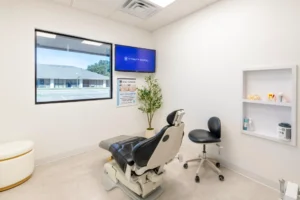

Understanding Dental Anxiety and Its Impact
What is dental anxiety?
Dental anxiety is a common condition affecting millions of people worldwide, characterized by excessive fear or stress related to dental visits or procedures. This anxiety can range from mild unease to severe dental phobia, where individuals avoid seeing a dentist altogether, risking their oral and overall health. Dental anxiety is not just about disliking the dentist; it involves real psychological, physiological, and sometimes social barriers that interfere with regular dental care.
The roots of dental anxiety can be traced to various factors. For some, it begins with a traumatic childhood dental experience, while for others, it may develop later due to fear of pain, loss of control, embarrassment, or negative stories shared by others. Even the sounds and smells of a dental office, or fear of the unknown, can trigger anxiety. In legal terms, dental anxiety is recognized as a legitimate health concern, with healthcare providers required to offer accommodations where possible to ensure equitable access to oral healthcare.
The prevalence of dental anxiety is significant, with studies indicating that up to 20% of adults in the United States avoid the dentist due to fear. In communities like Plano, Texas, where access to dental care is generally good, dental anxiety still acts as a barrier, impacting not only oral health but also overall well-being. Understanding dental anxiety’s root causes and effects is the first step toward overcoming it and ensuring everyone enjoys the benefits of regular, preventive dental care.
Signs and symptoms of dental phobia
Recognizing the signs and symptoms of dental phobia is crucial for timely intervention. Dental phobia is an extreme form of dental anxiety that leads to avoidance behaviors, significantly impacting oral health. The symptoms can be psychological, emotional, and physical, often manifesting before, during, or even at the mere thought of a dental appointment.
Common psychological symptoms include intense fear or dread at the prospect of visiting the dentist, persistent worries about pain or negative experiences, and catastrophic thinking (“something terrible will happen”). Emotionally, patients may feel helpless, embarrassed, or ashamed of their dental condition, which can reinforce avoidance.
Physical symptoms are equally telling. These may include sweating, racing heartbeat, nausea, shortness of breath, trembling, or even panic attacks. In severe cases, individuals may feel faint or actually lose consciousness. Children and adults alike may become tearful, irritable, or withdrawn when dental visits are discussed.
Behavioral signs are often the most apparent. Missing appointments, finding excuses to delay treatment, or only seeking dental care in emergencies are hallmarks of dental phobia. In legal and healthcare contexts, recognizing these signs enables dental professionals to make reasonable accommodations, such as offering sedation dentistry or additional appointment time, to ensure patient comfort and compliance with healthcare regulations.
Proven Strategies for Coping with Dental Anxiety
Techniques for dental anxiety management before your appointment
Preparation is a powerful tool in managing dental anxiety. Taking proactive steps before your dental visit can drastically reduce fear and set the stage for a more comfortable experience. Consider the following techniques:
Educate Yourself: Knowledge reduces fear of the unknown. Research your upcoming procedure, ask your dental office for educational materials, and clarify any doubts with your dental team. Understanding what to expect helps demystify the process and reduces anxiety.
Choose the Right Dentist: Select a dental professional who is experienced in treating anxious patients. Clinics in local neighborhoods such as East Plano or Legacy West often advertise their expertise in sedation dentistry and patient comfort. Look for practices that offer consultations specifically for anxiety management.
Schedule Wisely: Book your appointment at a time when you are least likely to feel rushed or stressed. Morning appointments may help, as anxiety often builds throughout the day. Be mindful of your work and personal schedule to avoid additional stressors.
Plan for Support: Bring a friend or family member to your appointment for moral support. Having a trusted companion can offer reassurance and advocate for your needs if anxiety becomes overwhelming.
Practice Relaxation at Home: Begin relaxation techniques, such as deep breathing, meditation, or guided imagery, well before your appointment. The more familiar you are with these strategies, the more effective they will be when needed.
Legal best practices encourage dental providers to accommodate these preparatory strategies, including clear communication of consent, treatment plans, and patient rights under healthcare regulations.
Coping with dental anxiety in the dental office
Once you arrive at the dental office, several strategies can help you cope with anxiety and foster a sense of control:
Communicate Openly: Let your dentist and dental team know about your anxiety. Many clinics in the Plano area, such as those serving Collin County courts or nearby neighborhoods like Willow Bend, are trained to recognize and respond to patient anxiety. Open communication enables your care team to offer customized coping options, such as shorter appointments, frequent breaks, or the use of numbing gels.
Agree on a Signal: Establish a nonverbal signal (like raising your hand) to alert your dentist if you need a break or feel discomfort. This simple tool gives you a sense of control and reassures you that your comfort is a priority.
Distraction Techniques: Many modern dental offices offer amenities like televisions, music, or virtual reality headsets. Bring headphones and listen to calming music or an audiobook during your procedure. Focusing your attention elsewhere can significantly reduce anxiety.
Sedation Dentistry Options: For those with severe dental phobia, inquire about sedation options. Local anesthesia, nitrous oxide (“laughing gas”), oral sedatives, or even IV sedation may be available. These options are safe when administered by trained professionals and are commonly used in both private and community dental clinics to make treatment accessible for all.
Mindfulness and Grounding: Practice mindfulness by focusing on your breathing, sensations, or even counting ceiling tiles. Grounding techniques help keep you present and prevent your mind from spiraling into anxiety.
These coping strategies are in alignment with current healthcare and legal guidelines, ensuring you receive safe, accessible, and patient-centered dental care.
Dental Relaxation Techniques to Reduce Anxiety
Guided imagery and breathing exercises for dental anxiety
Guided imagery and breathing exercises are among the most effective, evidence-based relaxation techniques for managing dental anxiety. These methods are easy to learn and can be practiced both before and during dental visits.
Guided Imagery: This technique involves visualizing a peaceful, safe place or scenario. Close your eyes and picture yourself on a quiet beach, in a serene forest, or anywhere you associate with comfort. Imagine the sounds, scents, and sensations of this place, allowing your mind to focus on these details instead of the dental environment. Guided imagery distracts the brain from anticipating pain or discomfort and promotes relaxation.
Breathing Exercises: Deep, controlled breathing activates the body’s relaxation response. One popular method is the 4-7-8 technique: inhale for 4 seconds, hold for 7 seconds, and exhale slowly for 8 seconds. Repeat several times until you feel your heart rate slow and your muscles relax. Breathing exercises not only reduce anxiety but also stabilize your physiological response to stress.
Dental offices in communities like Plano often incorporate these techniques into patient care, sometimes providing guided audio tracks or written instructions to assist anxious patients. Such practices are supported by both clinical research and healthcare policy as effective, non-pharmacological interventions.
How to use relaxation techniques during dental treatment
The key to successfully using relaxation techniques during dental treatment is practice and persistence. Begin practicing guided imagery and breathing exercises daily in the weeks leading up to your appointment. Familiarity makes it easier to deploy these tools when anxiety peaks.
During your dental visit:
- Ask your dental team for a few moments before the procedure to center yourself with deep breathing or visualization.
- Use your agreed-upon signal if you need a pause to refocus or compose yourself.
- If you find your mind wandering to anxious thoughts, gently redirect your attention to your breath or an imagined safe place.
- Pair relaxation with physical comfort—request a blanket, neck pillow, or other amenities that many local dental offices in Plano provide.
Legal and healthcare best practices emphasize patient autonomy. You have the right to request time to use these techniques, ensuring your experience is both legally supported and tailored to your comfort.
Practical Dental Anxiety Tips for a Stress-Free Appointment
Tips for dental anxiety: Communicating with your dentist
Effective communication with your dentist is one of the most important strategies for managing dental anxiety. Dentists who are aware of your concerns can tailor their approach, ensuring a more comfortable and positive experience.
- Be Honest and Specific: Clearly express the source of your anxiety—whether it’s fear of pain, needles, loss of control, or embarrassment about your oral health. Specific information allows your dental team to address your unique needs.
- Ask Questions: Do not hesitate to ask for a step-by-step explanation of procedures or clarification of any aspect of your care. Understanding what will happen diminishes fear of the unknown.
- Discuss Sedation and Comfort Options: Inquire about all available comfort measures, including sedation, topical anesthetics, and distraction tools.
- Request Written Instructions: If you are concerned about forgetting post-procedure care instructions due to anxiety, ask for them in writing.
- Advocate for Yourself: Remember, you are the consumer of dental services. You have the right to request accommodations that make your visit manageable.
Local dental offices, particularly those serving Plano’s diverse communities, are accustomed to working with patients who have dental anxiety. Many have established communication protocols and offer patient education materials in multiple languages to accommodate all backgrounds.
Dental care tips for anxiety: Creating a comfortable environment
Creating a comfortable environment is a collaborative effort between the patient and the dental team. Here are several ways to transform the dental office into a more welcoming and calming space:
- Personal Comfort Items: Bring items that soothe you, such as a favorite blanket, stress ball, or noise-canceling headphones.
- Office Amenities: Choose a dental practice that offers comfort-focused amenities, such as aromatherapy, soothing lighting, or private treatment rooms. Many Plano dental offices have invested in such features, recognizing the significant impact the environment has on patient anxiety.
- Control the Senses: Request to avoid certain triggers, such as the overhead light shining in your eyes, or ask to listen to your own music instead of the office playlist.
- Minimize Wait Time: Arrive precisely at your appointment time to reduce time spent waiting and worrying in the reception area. Choose offices that respect punctuality as part of their patient care philosophy.
- Family Dentistry Practices: For children or adults with severe anxiety, family-oriented dental offices may provide a more relaxed, friendly atmosphere. These practices often have experience with behavioral management and can be particularly helpful for those with special needs.
In legal and healthcare contexts, dental providers are increasingly required to offer reasonable accommodations for anxiety, ensuring equal access to quality oral healthcare.
Next Steps for Managing Dental Anxiety Long-Term
Strategies for dental anxiety: Building confidence in dental care
Building long-term confidence in dental care is essential for maintaining both oral health and overall well-being. Confidence grows with positive experiences, education, and the gradual reduction of anxiety through repeated exposure.
- Gradual Desensitization: Start with non-invasive visits, such as simple cleanings or consultations, and gradually progress to more complex procedures as your comfort level increases.
- Education and Empowerment: Stay informed about oral health and modern dental techniques. Many fears are based on outdated information or misconceptions.
- Consistent Dental Visits: Regular appointments help normalize the dental experience and prevent minor issues from becoming major problems.
- Positive Reinforcement: Reward yourself for each successful visit, reinforcing the notion that dental care can be manageable and even positive.
- Therapeutic Support: For those with severe dental phobia, professional counseling or cognitive-behavioral therapy (CBT) may be beneficial. Some dental offices have partnerships with clinical psychologists or therapists who specialize in phobia management.
Local dental clinics in neighborhoods like West Plano or near the Collin County Courthouse often collaborate with mental health professionals to provide holistic care for anxious patients.
Health tips for dental anxiety: Maintaining oral health and well-being
Maintaining good oral health is both a preventive measure and a confidence booster for those with dental anxiety. Here’s how you can take charge of your oral health:
- Routine Home Care: Brush twice daily with fluoride toothpaste, floss regularly, and use antibacterial mouthwash to prevent cavities and gum disease.
- Healthy Diet: Limit sugary snacks and acidic drinks, which can lead to dental problems. Choose water, dairy, and crunchy vegetables for tooth-friendly nutrition.
- Monitor Changes: Pay attention to changes in your oral health, such as bleeding gums, sensitivity, or persistent pain. Early detection allows for easier, less invasive treatment.
- Stay Connected with Your Dentist: Maintain open lines of communication for questions or concerns between visits. Many dental offices offer online portals for appointment scheduling and secure messaging.
- Prioritize Mental Well-Being: Dental anxiety is often linked to broader issues of stress, depression, or burnout. Practicing mindfulness, seeking social support, and caring for your mental health can indirectly benefit your oral health.
By integrating these health tips into your daily routine, you’ll not only reduce anxiety at the dentist but also enjoy the lifelong benefits of a healthy, confident smile.
FAQ: Dental Anxiety Solutions and Patient Concerns
What are the best dental anxiety tips for first-time patients?
For first-time dental patients, preparation is key. Choose a dentist experienced in treating anxious individuals, communicate your fears openly, and bring a trusted companion for support. Familiarize yourself with relaxation techniques such as deep breathing and guided imagery, and schedule your appointment at a stress-free time. Don’t hesitate to ask your dental team about comfort options, and remember that you can pause the appointment at any time if anxiety becomes overwhelming.
How can I overcome dental anxiety at the dentist?
Overcoming dental anxiety at the dentist involves a combination of preparation, open communication, and the use of relaxation strategies during the visit. Establish a signal with your dentist for breaks, use distraction techniques, and practice deep breathing or mindfulness. If anxiety is severe, ask about sedation options. Consistent, positive experiences will gradually reduce your fear and build confidence.
Which relaxation techniques are most effective for dental anxiety?
The most effective relaxation techniques for dental anxiety include guided imagery, deep breathing, progressive muscle relaxation, and mindfulness meditation. Practicing these techniques regularly and using them before and during dental visits can significantly lower anxiety levels. Many dental offices also offer additional resources, such as calming music or aromatherapy, to enhance relaxation.
Are there specific coping strategies for dental phobia?
Coping strategies for dental phobia include gradual desensitization (starting with simple visits and building up), professional counseling (such as cognitive-behavioral therapy), use of sedation dentistry, and building a trusting relationship with your dental team. For severe cases, collaboration between dental professionals and mental health providers is recommended to develop a comprehensive care plan.
Can dental anxiety management improve my overall dental experience?
Absolutely. Managing dental anxiety leads to more regular dental visits, improved oral health, and better overall well-being. Effective anxiety management creates a positive feedback loop—each comfortable visit builds confidence and reduces future anxiety. Over time, this translates into a more proactive approach to dental care and a healthier, happier smile.

 Revolutionary Dental Implant Innovations Transforming Smiles in Plano